Business Name: BeeHive Homes of Bosque Farms
Address: 1935 Bosque Farms Blvd, Bosque Farms, NM 87068
Phone: (505) 357-0505
BeeHive Homes of Bosque Farms
Beehive Homes of Bosque Farms assisted living care is ideal for those who value their independence but require help with some of the activities of daily living. Residents enjoy 24-hour support and caring assistance, private rooms and home-cooked meals. Assisted living should feel like home. Welcome home!
1935 Bosque Farms Blvd, Bosque Farms, NM 87068
Business Hours
Monday thru Sunday: 9:00am to 5:00pm
Facebook: https://www.facebook.com/BeehiveHomesBosqueFarms
I used to believe assisted living meant surrendering control. Then I saw a retired school curator called Maeve take a watercolor class on Tuesday afternoons, lead her structure's book club on Thursdays, and Facetime her granddaughter every Sunday after breakfast. She kept a drawer of brushes and a vase of peonies by her window. The staff helped with her arthritis-friendly meal preparation and medication, not with her voice. Maeve chose her own activities, her own pals, and her own pacing. That's the part most families miss in the beginning: the goal of senior living is not to take control of an individual's life, it is to structure support so their life can expand.
This is the daily work of assisted living. When succeeded, it protects self-reliance, creates social connection, and adjusts as needs change. It's not magic. It's thousands of little design choices, consistent routines, and a team that understands the distinction between doing for someone and enabling them to do for themselves.
What independence truly indicates at this stage
Independence in assisted living is not about doing whatever alone. It has to do with agency. People choose how they invest their hours and what gives their days shape, with help standing nearby for the parts that are unsafe or exhausting.
I am frequently asked, "Won't my dad lose his abilities if others assist?" The reverse can be true. When a resident no longer burns all their energy on tasks that have become unmanageable, they have more fuel for the activities they take pleasure in. A 20-minute shower can take 90 minutes to handle alone when balance is unstable, water controls are confusing, and towels remain in the wrong location. With a caregiver standing by, it becomes safe, foreseeable, and less draining. That reclaimed time is ripe for chess, a walk outside, a lecture, calls with family, or even a nap that improves mood for the remainder of the day.
There's a practical frame here. Independence is a function of security, energy, and confidence. Assisted living programs stack the deck by adjusting the environment, breaking tasks into workable actions, and providing the ideal kind of assistance at the best minute. Families sometimes struggle with this because helping can appear like "taking control of." In truth, independence blooms when the help is tuned carefully.
The architecture of a helpful environment
Good structures do half the lifting. Hallways broad enough for walkers to pass without scraping knuckles. Lever door manages that arthritic hands can handle. Color contrast between floor and wall so depth understanding isn't evaluated with every step. Lighting that prevents glare and shadows. These information matter.
I once visited two communities on the exact same street. One had slick floors and mirrored elevator doors that puzzled homeowners with dementia. The other utilized matte floor covering, clear pictogram signs, and a soothing paint palette to minimize confusion. In the second structure, group activities began on time due to the fact that people could discover the room easily.
Safety features are only one domain. The kitchen spaces in many homes are scaled properly: a compact refrigerator for snacks, a microwave at chest height, a kettle for tea. Locals can brew their coffee and chop fruit without browsing big devices. Community dining rooms anchor the day with predictable mealtimes and plenty of option. Consuming with others does more than fill a stomach. It draws individuals out of the apartment, offers discussion, and carefully keeps tabs on who might be struggling. Staff notification patterns: Mrs. Liu hasn't been down for breakfast this week, or Mr. Green is selecting at supper and slimming down. Intervention gets here early.
Outdoor spaces deserve their own reference. Even a modest yard with a level course, a couple of benches, and wind-protected corners coax individuals outdoors. Fifteen minutes of sun modifications appetite, sleep, and mood. A number of neighborhoods I appreciate track average weekly outdoor time as a quality metric. That kind of attention separates places that talk about engagement from those that craft it.
Autonomy through option, not chaos
The menu of activities can be frustrating when the calendar is crowded from morning to evening. Option is just empowering when it's navigable. That's where lifestyle directors earn their income. They do not just release schedules. They find out personal histories and map them to offerings. A retired mechanic who misses out on the feeling of repairing things might not want bingo. He illuminate rotating batteries on motion-sensor night lights or helping the upkeep team tighten up loose knobs on chairs.
I have actually seen the value of "starter offerings" for new homeowners. The first two weeks can feel like a freshman orientation, total with a friend system. The resident ambassador program sets newcomers with people who share an interest or language or perhaps a sense of humor. It cuts through the awkwardness of "Where do I sit?" and "What is that class like?" within days, not months. When a resident discovers their people, self-reliance settles because leaving the apartment or condo feels purposeful, not performative.
Transportation expands choice beyond the walls. Scheduled shuttle bus to libraries, faith services, parks, and preferred coffee shops allow residents to keep regimens from their previous community. That connection matters. A Wednesday routine of coffee and a crossword is not minor. It's a thread that connects a life together.
How assisted living separates care from control
A typical worry is that staff will treat grownups like kids. It does occur, specifically when organizations are understaffed or badly trained. The much better groups utilize methods that maintain dignity.
Care strategies are negotiated, not imposed. The nurse who carries out the initial assessment asks not just about medical diagnoses and medications, however likewise about preferred waking times, bathing regimens, and food dislikes. And those plans are revisited, typically regular monthly, because capacity can vary. Great staff view assist as a dial, not a switch. On much better days, citizens do more. On difficult days, they rest without shame.
Language matters. "Can I help you?" can stumble upon as an obstacle or a kindness, depending on tone and timing. I look for personnel who ask consent before touching, who stand to the side rather than obstructing an entrance, who discuss steps in short, calm expressions. These are standard abilities in senior care, yet they shape every interaction.
Technology supports, but does not change, human judgment. Automatic tablet dispensers decrease errors. Motion sensing units can indicate nighttime roaming without bright lights that stun. Family portals help keep relatives notified. Still, the best neighborhoods utilize these tools with restraint, making sure devices never end up being barriers.
Social material as a health intervention
Loneliness is a danger aspect. Studies have actually linked social isolation to greater rates of depression, falls, and even hospitalization. That's not a scare strategy, it's a reality I've seen in living spaces and medical facility corridors. The minute a separated person gets in an area with integrated daily contact, we see little enhancements initially: more constant meals, a steadier sleep schedule, less missed out on medication doses. Then larger ones: regained weight, brighter affect, a return to hobbies.
Assisted living produces natural bump-ins. You meet people at breakfast, in the elevator, on the garden course. Staff catalyze this with mild engineering: seating arrangements that blend familiar faces with brand-new ones, icebreaker questions at events, "bring a buddy" invitations for getaways. Some communities try out micro-clubs, which are short-run series of four to 6 sessions around a theme. They have a clear start and finish so newbies do not feel they're invading a long-standing group. Photography strolls, memoir circles, guys's shed-style fix-it groups, tea tastings, language practice. Small groups tend to be less intimidating than all-resident events.
I have actually viewed widowers who swore they weren't "joiners" become reliable guests when the group lined up with their identity. One male who hardly spoke in bigger events lit up in a baseball history circle. He began bringing old ticket stubs to show-and-tell. What looked like an activity was really grief work and identity repair.
When memory care is the much better fit
Sometimes a standard assisted living setting isn't enough. Memory care communities sit within or alongside numerous communities and are created for homeowners with Alzheimer's illness or other dementias. The goal stays independence and connection, however the strategies shift.
Layout reduces tension. Circular hallways prevent dead ends, and shadow boxes outside apartment or condos assist homeowners find their doors. Staff training focuses on recognition instead of correction. If a resident insists their mother is reaching five, the response is not "She passed away years back." The much better move is to inquire about her mother's cooking, sit together for tea, and get ready for the late afternoon confusion known as sundowning. That method preserves dignity, reduces agitation, and keeps relationships undamaged because the social unit can bend around memory differences.
Activities are simplified but not infantilizing. Folding warm towels in a basket can be soothing. So can setting a table, watering plants, or kneading bread dough. Music stays a powerful connector, specifically songs from a person's teenage years. One of the best memory care directors I understand runs brief, regular programs with clear visual cues. Residents prosper, feel competent, and return the next day with anticipation rather than dread.
Family often asks whether transitioning to memory care implies "quiting." In practice, it can suggest the opposite. Safety enhances enough to allow more meaningful liberty. I consider a previous instructor who roamed in the basic assisted living wing and was avoided, carefully but repeatedly, from leaving. In memory care, she might stroll loops in a safe garden for an hour, come inside for music, then loop again. Her pace slowed, agitation fell, and conversations lengthened.
The peaceful power of respite care
Families frequently overlook respite care, which uses short stays, normally from a week to a couple of months. It operates as a pressure valve when main caretakers require a break, go through surgery, or just wish to test the waters of senior living without a long-term dedication. I motivate households to think about respite for two factors beyond the obvious rest. Initially, it offers the older grownup a low-stakes trial of a brand-new environment. Second, it offers the neighborhood a chance to understand the individual beyond diagnosis codes.
The finest respite experiences begin with specificity. Share regimens, preferred treats, music preferences, and why certain behaviors appear at particular times. Bring familiar products: a quilt, framed photos, a favorite mug. Ask for a weekly upgrade that includes something besides "doing fine." Did they laugh? With whom? Did they attempt chair yoga or skip it?
I have actually seen respite remains avoid crises. One example sticks to me: an other half taking care of a better half with Parkinson's reserved a two-week stay since his knee replacement could not be postponed. Over those 2 weeks, personnel saw a medication side effect he had actually perceived as "a bad week." A little adjustment quieted tremors and enhanced sleep. When she returned home, both had more self-confidence, and they later on chose a steady shift to the neighborhood by themselves terms.
Meals that build independence
Food is not just nutrition. It is self-respect, culture, and social glue. A strong cooking program encourages self-reliance by providing residents choices they can navigate and take pleasure in. Menus gain from predictable staples along with turning specials. Seating alternatives need to accommodate both spontaneous mingling and scheduled tables for established relationships. Personnel take note of subtle cues: a resident who consumes just soups might be battling with dentures, an indication to arrange an oral visit. Somebody who sticks around after coffee is a prospect for the strolling group that triggers from the dining-room at 9:30.
Snacks are tactically put. A bowl of fruit near the lobby, a hydration station outside the activity space, a small "night kitchen" where late sleepers can discover yogurt and toast without waiting up until lunch. Small freedoms like these enhance adult autonomy. In memory care, visual menus and plated choices lower decision overload. Finger foods can keep somebody engaged at a show or in the garden who otherwise would skip meals.
Movement, purpose, and the remedy to frailty
The single most underappreciated intervention in senior living is structured motion. Not severe exercises, but consistent patterns. A day-to-day walk with personnel along a determined hallway or yard loop. Tai chi in the early morning. Seated strength class with resistance bands two times a week. I have actually seen a resident improve her Timed Up and Go test by 4 seconds after eight weeks of regular classes. The result wasn't just speed. She restored the confidence to shower without constant fear of falling.
Purpose likewise guards against frailty. Neighborhoods that welcome locals into meaningful roles see greater engagement. Inviting committee, library cart volunteer, garden watering group, newsletter editor, tech assistant for others who are discovering video chat. These functions should be real, with jobs that matter, not busywork. The pride on somebody's face when they present a new neighbor to the dining room personnel by name informs you whatever about why this works.
Family as partners, not spectators
Families sometimes step back too far after move-in, worried they will interfere. Much better to go for collaboration. Visit regularly in a pattern you can sustain, not in a burst followed by absence. Ask staff how to match the care plan. If the neighborhood manages medications and meals, maybe you focus your time on shared hobbies or getaways. Stay present with the nurse and the activities group. The earliest indications of depression or decrease are typically social: skipped occasions, withdrawn posture, an unexpected loss of interest in quilting or trivia. You will observe various things than personnel, and together you can respond early.
Long-distance households can still be present. Many communities provide safe and secure portals with updates and photos, but nothing beats direct contact. Set a recurring call or video chat that includes a shared activity, like checking out a poem together or watching a preferred program at the same time. Mail tangible products: a postcard from your town, a printed image with a brief note. Small routines anchor relationships.
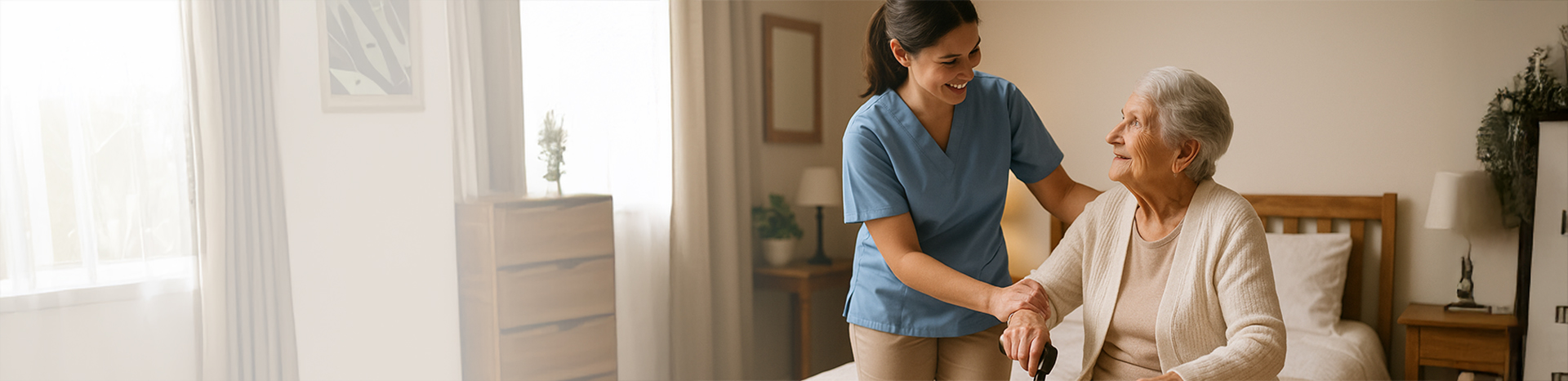
Financial clarity and realistic trade-offs
Let's name the tension. Assisted living is expensive. Costs vary widely by region and by home size, however a common variety in the United States is roughly $3,500 to $7,000 per month, with care level add-ons for assist with bathing, dressing, movement, or continence. Memory care normally runs greater, typically by $1,000 to $2,500 more monthly due to the fact that of staffing ratios and specialized shows. Respite care is normally priced daily or each week, sometimes folded into an advertising package.
Insurance specifics matter. Traditional Medicare does not pay space and board in assisted living, though it covers lots of medical services delivered there. Long-term care insurance plan, if in place, may contribute, however benefits vary in waiting durations and day-to-day limits. Veterans and surviving spouses might get approved for Aid and Presence benefits. This is where a candid discussion with the community's workplace pays off. Request for all costs in writing, consisting of levels-of-care escalators, medication management charges, and supplementary charges like individual laundry or second-person occupancy.
Trade-offs are unavoidable. A smaller apartment or condo in a vibrant neighborhood can be a better financial investment than a larger private space in a quiet one if engagement is your leading priority. If the older adult loves to cook and host, a bigger kitchen space might be worth the square video. If mobility is restricted, distance to the elevator may matter more than a view. Focus on according to the person's real day, not a dream of how they "should" spend time.
What a good day looks like
Picture a Tuesday. The resident wakes at their typical hour, not at a schedule figured out by a personnel checklist. They make tea in their kitchenette, then join neighbors for breakfast. The dining room personnel welcome them by name, remember they choose oatmeal with raisins, and discuss assisted living that chair yoga begins at 10 if they're up for it. After yoga, a resident ambassador welcomes them to the greenhouse to look at the tomatoes planted last week. A nurse appears midday to manage a medication modification and talk through mild side effects. Lunch includes 2 meal choices, plus a soup the resident really likes. At 2 p.m., there's a memoir writing circle, where individuals read five-minute pieces about early jobs. The resident shares a story about a summer season spent selling shoes, and the space chuckles. Late afternoon, they video chat with a nephew who simply began a new job. Supper is lighter. Later, they go to a film screening, sit with somebody new, and exchange phone numbers composed large on a notecard the staff keeps convenient for this very purpose. Back home, they plug a lamp into a timer so the house is lit for evening restroom journeys. They sleep.
Nothing extraordinary took place. That's the point. Enough scaffolding stood in place to make common delight accessible.
Red flags throughout tours
You can take a look at pamphlets all day. Touring, ideally at various times, is the only method to judge a community's rhythm. See the faces of citizens in common areas. Do they look engaged, or are they parked and drowsy in front of a tv? Are personnel connecting or simply moving bodies from location to place? Smell the air, not just the lobby, however near the apartment or condos. Inquire about staff turnover and ratios by shift. In memory care, ask how they handle exit-seeking and whether they utilize caretakers or rely completely on ecological design.
If you can, eat a meal. Taste matters, but so does service rate and flexibility. Ask the activity director about attendance patterns, not just offerings. A calendar with 40 occasions is worthless if only three people show up. Ask how they bring unwilling homeowners into the fold without pressure. The best responses consist of particular names, stories, and mild strategies, not platitudes.
When staying home makes more sense
Assisted living is not the response for everybody. Some people grow at home with private caretakers, adult day programs, and home adjustments. If the main barrier is transport or house cleaning and the individual's social life stays abundant through faith groups, clubs, or neighbors, staying put may preserve more autonomy. The calculus modifications when security risks multiply or when the problem on household climbs into the red zone. The line is various for each household, and you can review it as conditions shift.
I have actually worked with families that integrate methods: adult day programs three times a week for social connection, respite take care of 2 weeks every quarter to offer a partner a real break, and eventually a prepared move-in to assisted living before a crisis requires a rash decision. Planning beats scrambling, every time.
The heart of the matter
Assisted living, memory care, respite care, and the more comprehensive universe of senior living exist for one factor: to safeguard the core of a person's life when the edges start to fray. Independence here is not an impression. It's a practice constructed on respectful support, wise style, and a social web that captures people when they wobble. When succeeded, elderly care is not a warehouse of needs. It's a daily workout in discovering what matters to an individual and making it simpler for them to reach it.
For households, this often indicates releasing the heroic misconception of doing it all alone and welcoming a group. For residents, it implies reclaiming a sense of self that hectic years and health changes may have concealed. I have actually seen this in small methods, like a widower who begins to hum once again while he waters the garden beds, and in large ones, like a retired nurse who reclaims her voice by collaborating a regular monthly health talk.
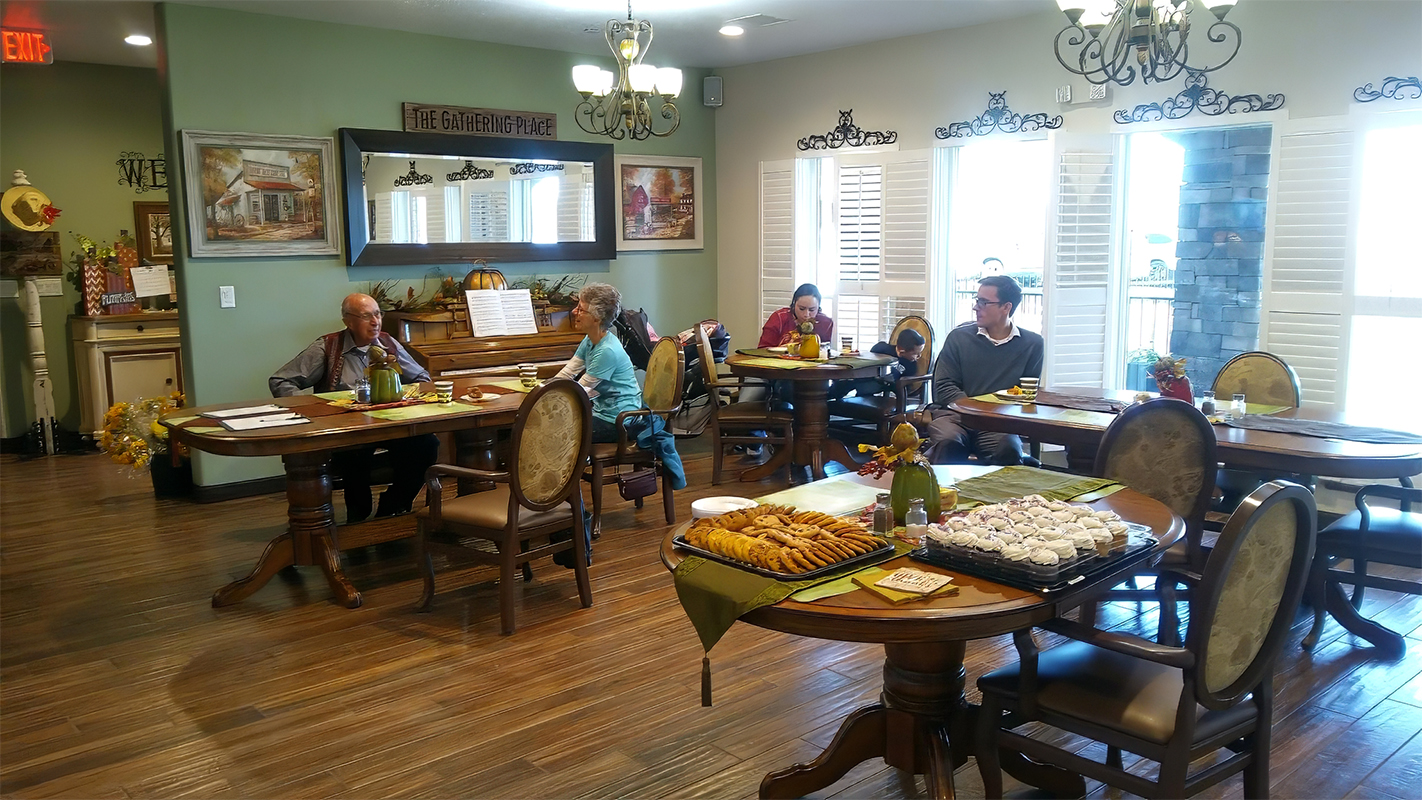
If you're choosing now, relocation at the pace you require. Tour twice. Consume a meal. Ask the uncomfortable questions. Bring along the person who will live there and honor their reactions. Look not only at the features, but likewise at the relationships in the space. That's where self-reliance and connection are forged, one conversation at a time.
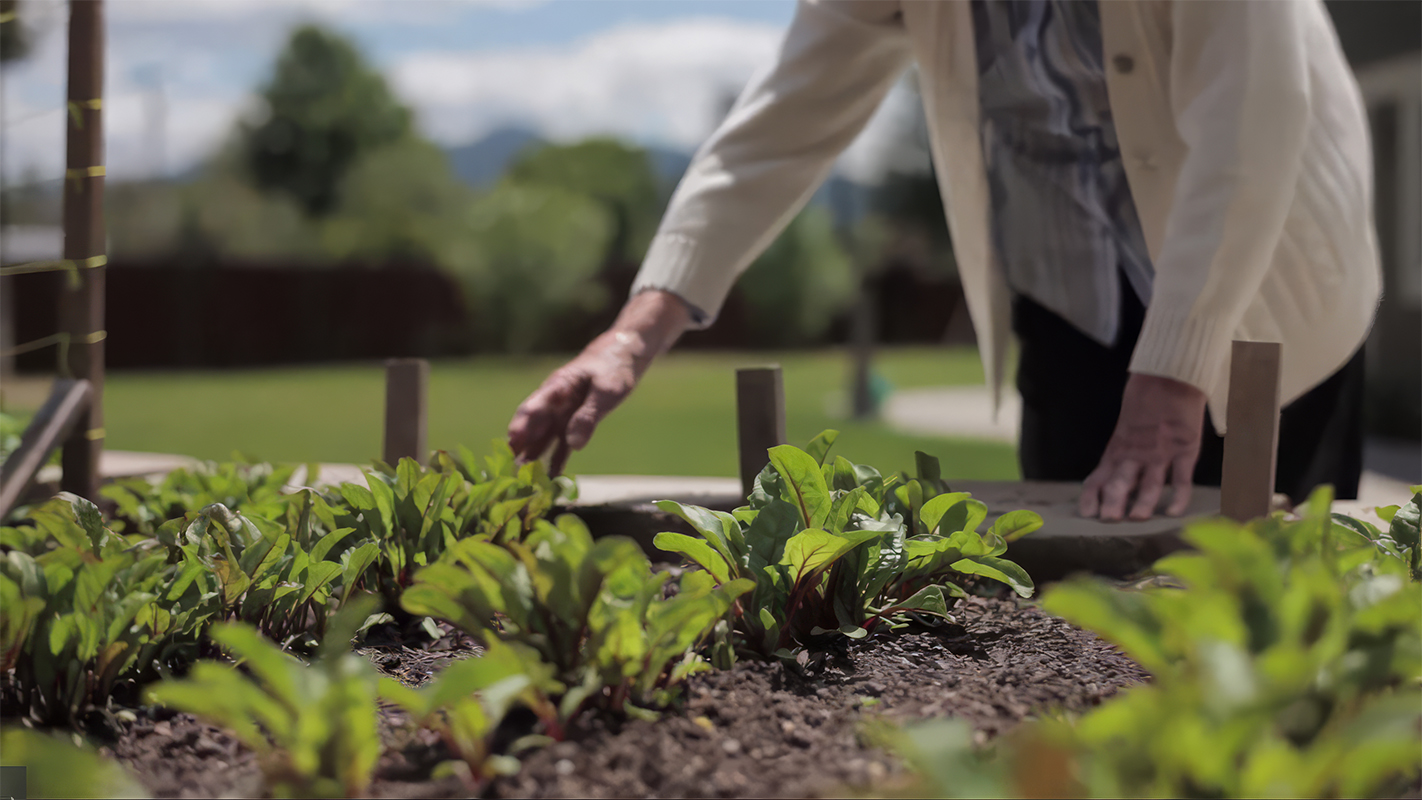
A brief list for picking with confidence
- Visit a minimum of twice, including as soon as during a hectic time like lunch or an activity hour, and observe resident engagement. Ask for a written breakdown of all fees and how care level changes affect cost, consisting of memory care and respite options. Meet the nurse, the activities director, and a minimum of 2 caretakers who work the night shift, not just sales staff. Sample a meal, check cooking areas and hydration stations, and ask how dietary needs are handled without separating people. Request examples of how the group assisted an unwilling resident ended up being engaged, and how they adjusted when that person's needs changed.
Final ideas from the field
Older adults do not stop being themselves when they move into assisted living. They bring decades of preferences, quirks, and gifts. The best communities treat those as the curriculum for daily life. They build around it so people can keep mentor each other how to live well, even as bodies change.
The paradox is simple. Independence grows in locations that respect limits and offer a consistent hand. Social connection flourishes where structures develop possibilities to meet, to help, and to be known. Get those best, and the rest, from the calendar to the cooking area, becomes a method rather than an end.
BeeHive Homes of Bosque Farms provides assisted living care
BeeHive Homes of Bosque Farms provides memory care services
BeeHive Homes of Bosque Farms provides respite care services
BeeHive Homes of Bosque Farms supports assistance with bathing and grooming
BeeHive Homes of Bosque Farms offers private bedrooms with private bathrooms
BeeHive Homes of Bosque Farms provides medication monitoring and documentation
BeeHive Homes of Bosque Farms serves dietitian-approved meals
BeeHive Homes of Bosque Farms provides housekeeping services
BeeHive Homes of Bosque Farms provides laundry services
BeeHive Homes of Bosque Farms offers community dining and social engagement activities
BeeHive Homes of Bosque Farms features life enrichment activities
BeeHive Homes of Bosque Farms supports personal care assistance during meals and daily routines
BeeHive Homes of Bosque Farms promotes frequent physical and mental exercise opportunities
BeeHive Homes of Bosque Farms provides a home-like residential environment
BeeHive Homes of Bosque Farms creates customized care plans as residents’ needs change
BeeHive Homes of Bosque Farms assesses individual resident care needs
BeeHive Homes of Bosque Farms accepts private pay and long-term care insurance
BeeHive Homes of Bosque Farms assists qualified veterans with Aid and Attendance benefits
BeeHive Homes of Bosque Farms encourages meaningful resident-to-staff relationships
BeeHive Homes of Bosque Farms delivers compassionate, attentive senior care focused on dignity and comfort
BeeHive Homes of Bosque Farms has a phone number of (505) 357-0505
BeeHive Homes of Bosque Farms has an address of 1935 Bosque Farms Blvd, Bosque Farms, NM 87068
BeeHive Homes of Bosque Farms has a website https://beehivehomes.com/locations/bosque-farms/
BeeHive Homes of Bosque Farms has Google Maps listing https://maps.app.goo.gl/VeA8p86Gp4TSGBN7A
BeeHive Homes of Bosque Farms has Facebook page https://www.facebook.com/BeehiveHomesBosqueFarms
BeeHive Homes of Bosque Farms won Top Assisted Living Homes 2025
BeeHive Homes of Bosque Farms earned Best Customer Service Award 2024
BeeHive Homes of Bosque Farms placed 1st for New Mexico Senior Living Communities 2025
People Also Ask about BeeHive Homes of Bosque Farms
What is the monthly room rate at BeeHive Homes of Bosque Farms?
Monthly room rates are based on each resident’s individual care needs. Before move-in, we complete an initial evaluation to better understand the level of support, assistance, and daily care that may be needed. This helps us provide a clear monthly rate that reflects the resident’s personalized care plan. We believe families deserve honest conversations and transparent pricing, with no hidden costs or surprise fees.
Can residents stay at BeeHive Homes of Bosque Farms through the end of life?
In many cases, yes. Our goal is to help residents remain in the comfort of a familiar, homelike setting for as long as their needs can be safely and appropriately met. There may be exceptions if a resident requires a higher level of skilled nursing care, ongoing medical treatment beyond assisted living services, or if safety concerns arise. When those moments come, we work with families, physicians, and care partners to help guide the next step with compassion and clarity.
Does BeeHive Homes of Bosque Farms have a nurse on staff?
BeeHive Homes of Bosque Farms does not have a full-time nurse living on-site, but we do have access to a consulting nurse. If a resident needs additional nursing services, a physician may order home health services to come directly into the home. This allows residents to receive supportive care in a comfortable residential environment while still having access to outside clinical services when appropriate.
What are the visiting hours at BeeHive Homes of Bosque Farms?
We welcome family visits and understand how important it is for residents to stay connected with the people they love. Visiting hours are flexible and are adjusted around the needs of each resident and family. We simply ask that visits be respectful of residents’ routines, rest, meals, and the peaceful rhythm of the home — not too early, not too late, and always centered on what is best for the resident.
Are couples’ rooms available at BeeHive Homes of Bosque Farms?
Yes, BeeHive Homes of Bosque Farms may have rooms designed to accommodate couples, depending on availability. For many couples, staying together while receiving the right level of assisted living support can bring comfort, familiarity, and peace of mind. We encourage families to ask about current room options, availability, and how care plans can be personalized for each spouse.
What makes BeeHive Homes of Bosque Farms different from larger assisted living facilities near Albuquerque?
BeeHive Homes of Bosque Farms offers care in a smaller, residential-style setting rather than a large institutional facility. Nestled in the quiet village of Bosque Farms, just south of Albuquerque, our homes are designed to feel personal, peaceful, and familiar. Residents receive support with daily needs in a setting where caregivers can truly get to know their routines, preferences, and personalities. For families looking for assisted living near Albuquerque with a more intimate, homelike feel, BeeHive Homes of Bosque Farms offers a comforting alternative.
Is BeeHive Homes of Bosque Farms a good option for families in Los Lunas, Peralta, Belen, and Albuquerque?
Yes. BeeHive Homes of Bosque Farms is conveniently located in Valencia County and serves families throughout Bosque Farms, Los Lunas, Peralta, Belen, and the greater Albuquerque area. Its location on Bosque Farms Boulevard offers families a peaceful village setting while still being close enough for regular visits, appointments, and family involvement. For many families, that balance of quiet surroundings and nearby access makes BeeHive Homes of Bosque Farms a natural choice for assisted living and memory care.
Where is BeeHive Homes of Bosque Farms located?
BeeHive Homes of Bosque Farms is conveniently located at 1935 Bosque Farms Blvd, Bosque Farms, NM 87068. You can easily find directions on Google Maps or call at (505) 357-0505 Monday through Sunday 9:00am to 5:00pm
How can I contact BeeHive Homes of Bosque Farms?
You can contact BeeHive Homes of Bosque Farms by phone at: (505) 357-0505, visit their website at https://beehivehomes.com/locations/bosque-farms/ or connect on social media via Facebook
Teofilo's Restaurante provides a comfortable setting where residents in assisted living, memory care, senior care, elderly care, and respite care can enjoy authentic regional meals.